


7 Miraculous Benefits of Pumpkin Seeds

Pumpkin seeds are one of nature’s most powerful foods, standing out not only as a snack but also as a superfood that can support hormonal balance, skin health, the immune system, and mental performance. In recent years, the benefits of pumpkin seeds frequently highlighted by both nutrition experts and advocates of natural living have also been supported by scientific research.
What Are Pumpkin Seeds Good For?
Modern life exposes people to stress, irregular eating habits, and environmental toxins, which can lead to mineral and vitamin deficiencies. This is exactly where the question of what pumpkin seeds are good for becomes meaningful. Thanks to their rich micronutrient content, pumpkin seeds, particularly through magnesium, zinc, iron, and healthy fatty acids, help reduce cellular fatigue; this is important for regaining energy and supporting cell renewal. Components such as zinc and tryptophan found in the seeds contribute to supporting the nervous system and balancing mood; with these properties, they may provide relief during stressful periods. Protein and minerals also help maintain muscle and bone health, contributing to physical performance and bone strength. In addition, omega-3-like fats and B vitamins help support mental focus; thus, they can serve as a natural “balancer,” especially for individuals working at an intense pace. When consumed regularly and in moderation, pumpkin seeds contribute to addressing nutritional deficiencies and improving overall well-being.
What Vitamins Are Found in Pumpkin Seeds?
Pumpkin seeds are a very rich source of vitamins and minerals. They are particularly rich in vitamin E and have powerful antioxidant properties. They contain B-group vitamins, including B1 (thiamine), B2 (riboflavin), B3 (niacin), and B9 (folic acid). Vitamin K is also one of the important vitamins found in pumpkin seeds and is essential for blood clotting. In addition, they contain minerals such as magnesium, zinc, iron, and phosphorus. Thanks to these nutritional values, pumpkin seeds support the immune system and are highly beneficial for overall health.
Benefits of Pumpkin Seeds for Women
The female body is more sensitive to hormonal fluctuations. Considering this sensitivity, pumpkin seeds provide support in many ways thanks to their vitamin E, magnesium, and omega-3-like fatty acid content; they help maintain immune and energy balance while contributing to the management of mood changes. The benefits of pumpkin seeds for women can be felt much more noticeably compared with men. Regular consumption, together with the benefits provided by minerals such as iron and zinc, may contribute to less fatigue and a more stable mood in daily life; it can also accelerate recovery, especially during periods of intense stress. By supporting mineral loss during menstruation, pumpkin seeds help relieve PMS symptoms and may balance hormonal fluctuations during menopause, helping reduce complaints such as hot flashes and sleep problems. Thanks to their zinc content, they contribute to reducing hair loss and, when consumed regularly, help achieve more balanced sebum production and a healthier appearance of the skin.
7 Benefits of Pumpkin Seeds
- Supports Cell Renewal
By supporting cell renewal, they accelerate the repair of skin tissue and strengthen cell functions. They contribute to keeping tissues youthful by regulating metabolic processes.
- Supports the Skin Barrier
The formula supports the skin barrier, providing protection against external factors and supporting elasticity. Particularly in dry and sensitive areas, pumpkin seeds increase the moisture-retention capacity of dry and sensitive skin. With regular use, they reduce irritation, prevent water loss, and accelerate the skin’s natural repair process.
- May Improve Sleep Quality
Pumpkin seeds are known for their healthy fats and antioxidants; they may also support sleep. With their magnesium and tryptophan content, pumpkin seeds contribute to better-quality sleep. Regular and moderate consumption may help promote nighttime relaxation and a more regular sleep cycle; they should always be considered as part of a balanced diet.
- Supports the Immune System
Pumpkin seeds have an important place in a healthy diet; the minerals they contain strengthen immunity. Zinc increases the activity of immune cells. Regular consumption, especially during the colder months, contributes to resistance against infections and the support of cellular defense mechanisms.
- Contributes to Heart and Cardiovascular Health
Pumpkin seeds are rich in potassium, magnesium, and antioxidants and support heart rhythm and vascular health. Their structure, rich in healthy fatty acids, helps reduce inflammation and lower the risk of atherosclerosis. They support cholesterol balance, thereby contributing to overall heart and cardiovascular health.
- Boosts Mental Performance
Pumpkin seeds support mental performance thanks to their rich nutritional content; they are particularly beneficial for concentration and learning processes. Thanks to their B vitamins, pumpkin seeds support focus and memory functions. Regular consumption helps increase mental vitality and improve productivity in daily tasks.
- Provides a Natural Glow to the Skin
Thanks to their rich vitamin E and zinc content, pumpkin seeds give the skin a natural glow, support moisture balance, and promote cell renewal. In this respect, the 7 benefits of pumpkin seeds are particularly associated with skin health.
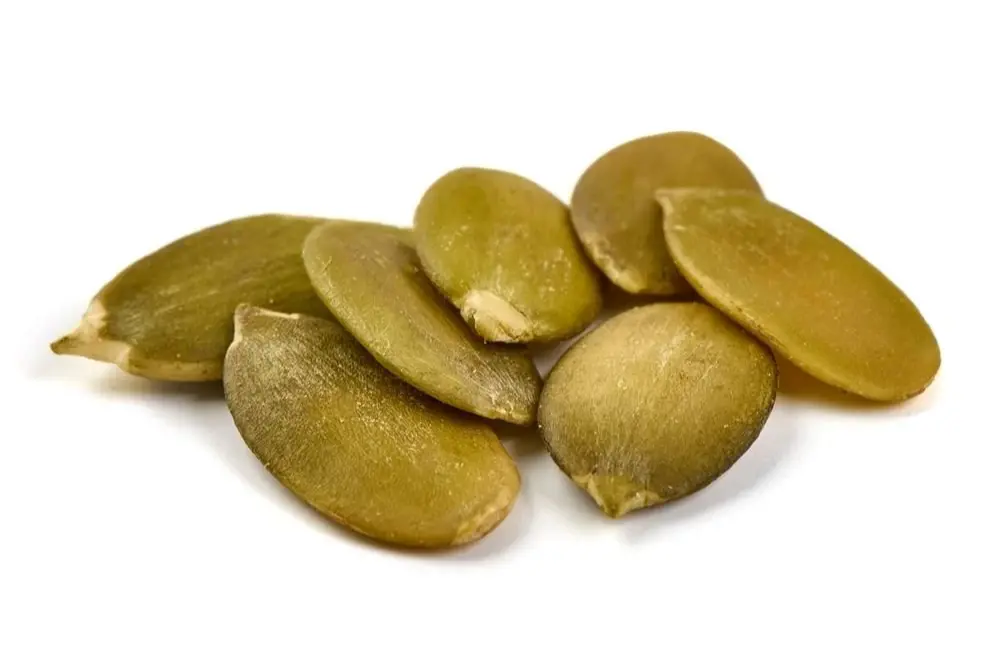
CLICK TO VIEW THE PRODUCT
View Product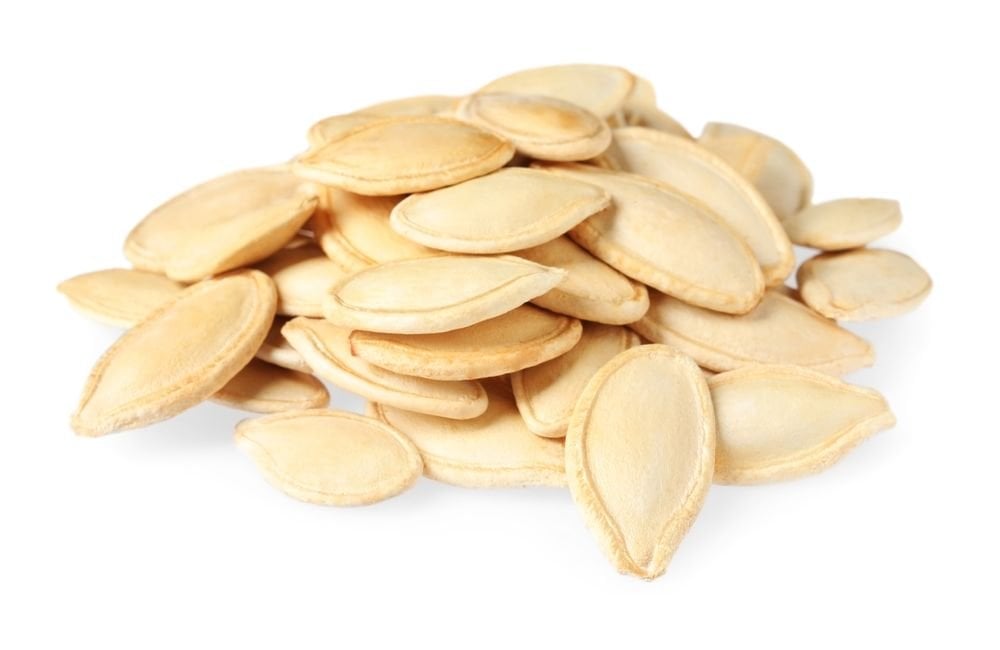
CLICK TO VIEW THE PRODUCT
View Product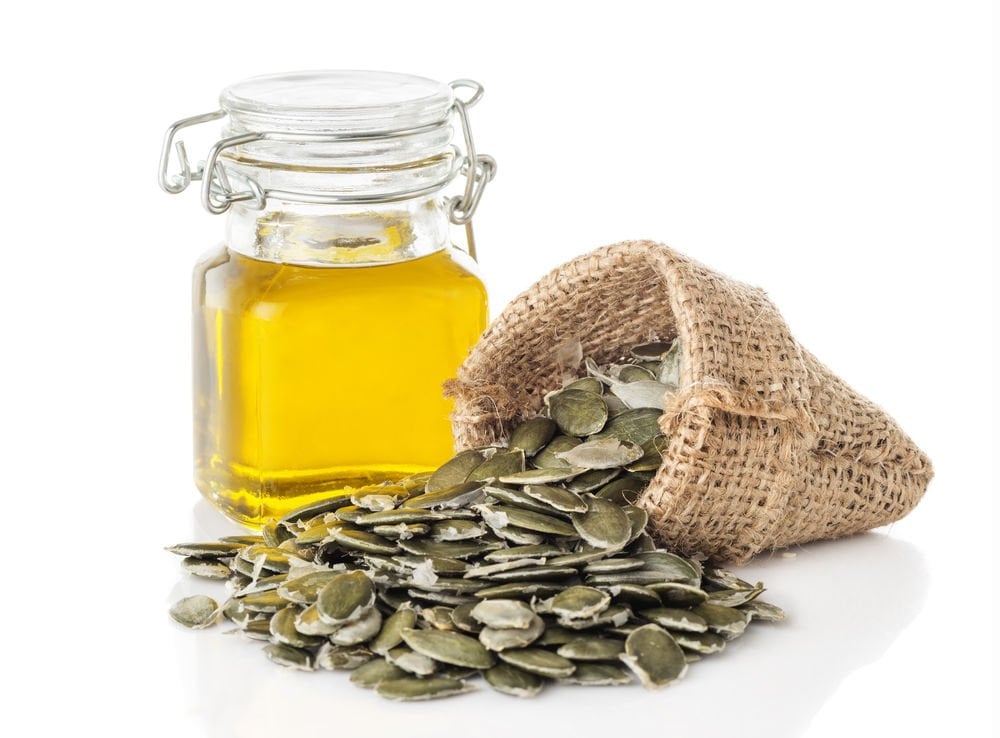
CLICK TO VIEW THE PRODUCT
View Product
Organic Pumpkin Seeds and Fresh Pumpkin Seeds
The assurance provided by organic production plays a decisive role in consumers’ choices; in this context, not all pumpkin seeds have the same effects. Organic pumpkin seeds stand out because they are free from pesticides and chemical residues. This helps preserve their nutritional value. Since organic pumpkin seeds are grown using methods that contribute to soil health and sustainable agricultural practices, they carry less risk when consumed directly.
Components such as antioxidants, healthy fats, vitamins E and B, and minerals are better preserved in plants free from chemical residues, thereby increasing their nutritional value. On the other hand, fresh pumpkin seeds do not undergo oil oxidation compared with products that have been stored for a long time. Fresh seeds do not experience rancidity or loss of flavor during storage; thanks to their crunchy texture and intense aroma, they make a difference when consumed as a snack or used in salads, yogurt, and baked goods. Choosing seeds that are both organic and fresh provides the best result in terms of taste and health.
Benefits of Pumpkin Seed Oil
Pumpkin seed oil stands out in skin care thanks to its rich fatty acid and vitamin E content; with regular use, it supports skin elasticity and helps reduce the appearance of fine lines. The phytosterols and fatty acids it contains support cell renewal, providing skin repair from the inside out and helping maintain the moisture balance of dry and sensitive areas. The oil’s natural antioxidant profile helps fight free radicals, providing antioxidant protection against environmental damage. When used in hair care, it supports hair follicles and helps nourish the scalp by reducing dandruff formation.
Can pumpkin seeds be consumed every day?
Pumpkin seeds are beneficial thanks to their high nutritional value and antioxidant content; they can be consumed in small portions every day. However, it is important to consume them in moderation to avoid excessive fat and calorie intake and to consult a doctor according to existing health conditions.
How are pumpkin seeds used in skin care?
Pumpkin seeds can be ground and applied as a mask; mix them with yogurt or honey for a moisturizing and restorative effect. Pumpkin seed oil can be used in nighttime care by massaging a few drops into clean skin; it provides vitamin E support. For exfoliation, finely ground seeds remove dead skin through gentle rubbing, and once a week is sufficient.
Is there a difference between pumpkin seed oil and the seeds?
Pumpkin seed oil and the seeds are different: pumpkin seed oil is a liquid, concentrated oil; its nutrient density, areas of use, and absorption method are different. The seeds, on the other hand, are solid and contain fiber, protein, and minerals; they can be roasted as a snack or processed to obtain oil.
Do pumpkin seeds cause weight gain?
Pumpkin seeds are highly nutritious and contain protein and healthy fats; therefore, unlimited consumption may contribute to weight gain. The answer to whether they cause weight gain depends on portion size and overall calorie balance. Moderate consumption is compatible with weight control.
