


What are the benefits of apricot kernel oil? How is it applied to hair and skin?

Apricot kernel is the seed found inside the hard stone of the fruit. It comes in sweet and bitter varieties. The most important distinction here is this: bitter kernels contain higher amounts of amygdalin and carry the risk of releasing cyanide when eaten raw or in large quantities. For this reason, when apricot kernel is mentioned, the oil form and the directly consumed kernel should not be thought of as the same thing. Apricot kernel oil used in skin and hair care is most commonly preferred for cosmetic purposes.
nWhat Is Apricot Kernel Good For?
nThe kernel itself can find a place in some food products, flour blends, and traditional recipes. The oil form, on the other hand, is used more in the cosmetic field. Because it is a fine-textured, lightweight oil, it is valued for softening dry skin, adding shine to hair ends, and serving as a carrier oil in massage oil blends. When asked what apricot oil is good for, the clearest answer is softening the skin surface and adding a light oil to the care routine. For oral consumption of the kernel, it is important to stick to sweet and reliable food-grade products.
nWhat Are the Benefits of Apricot Kernel Oil?
nThe benefits of apricot kernel oil are most often discussed in terms of its gentle texture in skin and hair care. This oil is rich in unsaturated fatty acids such as oleic and linoleic acid. It also contains tocopherols, which are compounds from the vitamin E group. This composition explains why the oil leaves a more comfortable feeling on dry skin. The fact that it spreads without creating a heavy layer on the skin is one of its most appreciated qualities in daily care. The most realistic approach when describing the benefits of apricot kernel oil is to view it as a supportive care oil rather than a treatment. It can make the skin feel moisturized, provide softness at the hair ends, and offer more comfortable glide during massage. However, it should not be seen as a standalone solution for conditions such as eczema, advanced acne, open wounds, or significant hair loss. Doing a patch test on a small area is the most comfortable approach for first-time use.
n- n
- May leave a feeling of softness on dry skin. n
- Counts among fast-absorbing oils thanks to its lightweight structure. n
- Frequently used in care oils due to its oleic and linoleic acid content. n
- Attracts attention in skincare with its vitamin E derivatives. n
- Can be used as a carrier oil in massage oils. n
- May provide a shinier appearance on dry hair ends. n
- Since it is not heavily scented, it blends easily into various care mixtures. n
- May relieve the feeling of tightness on the skin surface. n
- May make the care routine more comfortable with regular use. n
- Among the benefits of apricot kernel, the most practical area is cosmetic use. n
Benefits of Apricot Kernel Oil for Hair
nApricot kernel oil can spread to the ends of the hair without leaving a heavy film on it, thanks to its lightweight structure. It may provide a smoother appearance in dry, static, or dull and stiff hair. When applied to the scalp along with massage, it creates a soothing care sensation. The important point here is that this oil should not be thought of as a miracle product that grows hair. It is more of a supportive oil that protects the hair strand, reduces a brittle appearance, and leaves a care sensation at the roots. For very oily scalps, keeping the amount small provides a more balanced result.
n- n
- May provide a feeling of softness at the hair ends. n
- May help reduce a puffy appearance caused by dryness. n
- May leave a care sensation on the scalp when used with massage. n
- Spreads more easily compared to some other oils thanks to its lightweight structure. n
- May add shine to the hair strands. n
- With regular but moderate use, can make the hair care routine more comfortable. n
How Is Apricot Kernel Oil Applied to Hair?
nWhen applying apricot kernel oil to hair, the easiest way is to warm a few drops in the palm and spread it over the hair ends. If it is to be applied to the scalp, it is good to keep the amount small. A brief massage can be done with the fingertips. It is not necessary to apply the oil and leave it on for many hours. For fine hair, 20 to 30 minutes may be sufficient. Then rinsing with a gentle shampoo is more comfortable for most people. While once a week is sufficient for oily hair types, it can be tried twice a week for drier hair depending on need. If it is being used for the first time, it is good to do a patch test on a small area.
nHow Is Apricot Kernel Oil Applied to Skin?
nFor use on skin, the most comfortable time is after a shower on slightly damp skin. A few drops of apricot kernel oil can be taken in the palm and applied in a thin layer to large areas, excluding the face. If it is to be used on the face, the amount should be reduced even further. It can be applied alone as a nighttime care routine or by adding one or two drops to an unscented moisturizer. For acne-prone or very sensitive skin, it is safer to test on a small area first. Applying it to the eyes, open wounds, or areas with noticeable irritation is not appropriate.
nHow Is Apricot Kernel Used?
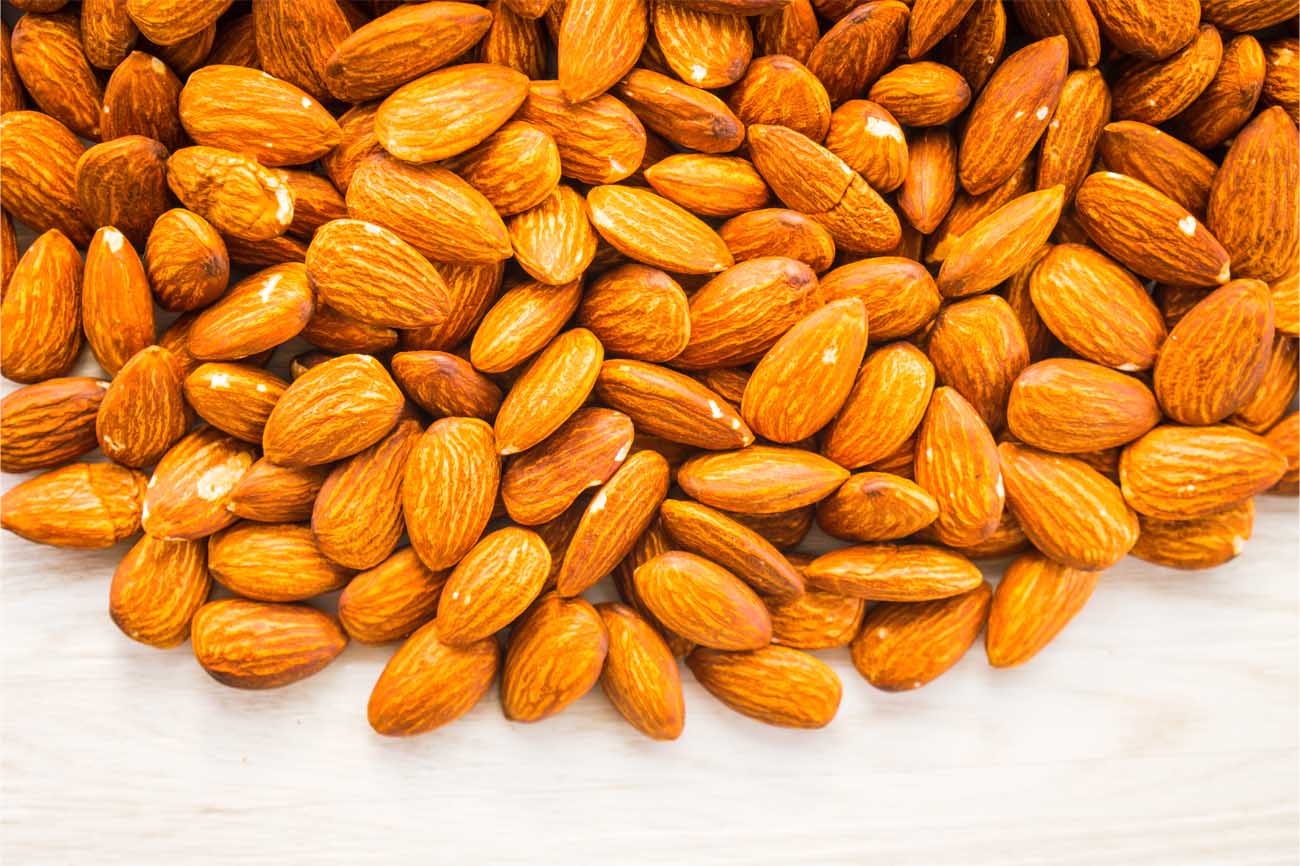
nThose who will consume the kernel orally should stay away from bitter and raw kernels. Because the amygdalin content can create a cyanide risk. Therefore, the safest approach on the food side is to stick to products from reliable sources that are known to be of the sweet variety. On the cosmetic side, the oil form is much more widely used. When researching the benefits of apricot kernel, it is important to see this distinction: eating the kernel and applying its oil to the skin are not the same thing. Indiscriminate high-quantity home consumption is not a good idea.
nThe methods of use can be listed as follows:
n- n
- For food purposes, only reliable and sweet variety products should be preferred. n
- Bitter kernels should not be eaten raw. n
- The oil form can be applied in small amounts to hair ends. n
- It can be used as a massage oil on the skin. n
- A few drops can be added into a moisturizer. n
- A patch test should be done on a small area for first-time use. n
How Is Apricot Kernel Oil Used?
nApricot kernel oil can most practically be used as a standalone care oil. Applying it in a thin layer to the hair ends and to a clean, slightly damp area of the skin is sufficient. It can also be mixed with other fixed oils for massage purposes. A small amount is usually enough for daily use. Too much product can cause heaviness on the skin or a dull appearance in the hair. If it is to be used in facial care, the evening routine may be a more comfortable choice. If applied during the day, it should not be forgotten to add sunscreen on top.
nIn Which Areas Is Apricot Kernel Used?
nApricot kernel and its oil are used in different areas. The oil form is used in cosmetic products, massage oils, moisturizing blends, and hair care products. On the food side, the kernel may appear in some regional recipes and processed products. On the industrial and research side, it attracts attention due to its oil yield, fatty acid profile, and tocopherol content. In short, apricot kernel oil finds its place in the care field, while the kernel itself corresponds more limitedly and in a controlled manner on the food side.
nDoes Apricot Kernel Cause Weight Loss?
nIt would not be accurate to say that apricot kernel causes weight loss. The kernel is a food that is high in fat and energy density. It may contribute to a feeling of fullness, but there is no strong human data showing that it has a direct slimming effect. Excessive consumption may, on the contrary, raise daily calorie intake.
nApricot Kernel Calorie and Nutritional Value
nApricot kernel is dense in terms of nutritional value, particularly in fat, protein, and some minerals. An energy value of approximately 600 calories per 100 grams is given. The fat content is high, with unsaturated fatty acids standing out. In oil form, the product consists almost entirely of fat.
